I certainly could try things out with a throwaway account nobody knows and sees, but that is too much work 😉 asca
https://www.threads.com/@mariobreskic/post/DJpT_wBNjIj
May 14, 2025 at 09:20PM
-
-
May 13, 2025 at 07:54PM
What I use linkwarden for and a chat with Grok about Graphic Designer Combat
Linkwarden is my private Pocket, my Raindrop I run myself. In it, I recently started storing web pages I want to read over the weekend.
And since my interests are seemingly singular (because graphic design is vast), I look forward to seeing it grow into another kind of reading corner, another kind of digital garden.
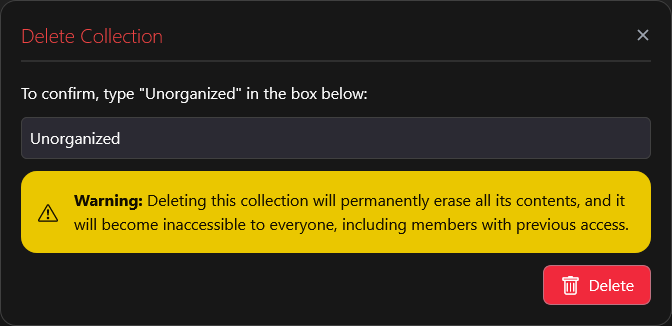
This is basically my workflow: all I do feeds back into what I do. In a sense, I am always inspired, always in a state of flow, as long as I do what I do and what comes naturally to me.
I just need to stay the hell away from the loop of destruction for long enough, so that I can grow forests out of my gardens, if you know what I mean.
Somewhere else, I had a chat with Grok about what Grok knows about Graphic Designer Combat, where one graphic designer fights another graphic designer and who wins, gets all the powers and knowledge of the defeated graphic designer.
It turns out that Grok doesn’t know much about it (who knew? we did, of course, because we keep this hush‑hush), but he ended up recommending me two very interesting graphic designers: Domantė Nalivaikaitė and Piper Ferrari, albeit in the strangest way ever (insinuating I could best either of them in Graphic Design Combat! Grok is off its silicon rocker!)
Check out their work!
Source: My after‑hours blog on Tumblr Code & Canvas
-
May 12, 2025 at 01:45PM
It bears repeating: according to the handbook for designers Iʼm currently reading, the two main reasons for designers becoming incapable of doing their work, are
- mental health
- back problems.
If you ask me, your dear proprietor of Code and Canvas, the after-hours tumblog about this and that, these issues are caused by self-neglect.
Maybe collecting more data on health in the workplace, especially as self-employed designers is a good idea?
I have some notes on how to set up my workplace ergonomically, and a few others about how to avoid feeling like shit.
Iʼll see where these notes lead to, say in six months from now.
Source: My after‑hours blog on Tumblr Code & Canvas
-
May 12, 2025 at 10:05AM
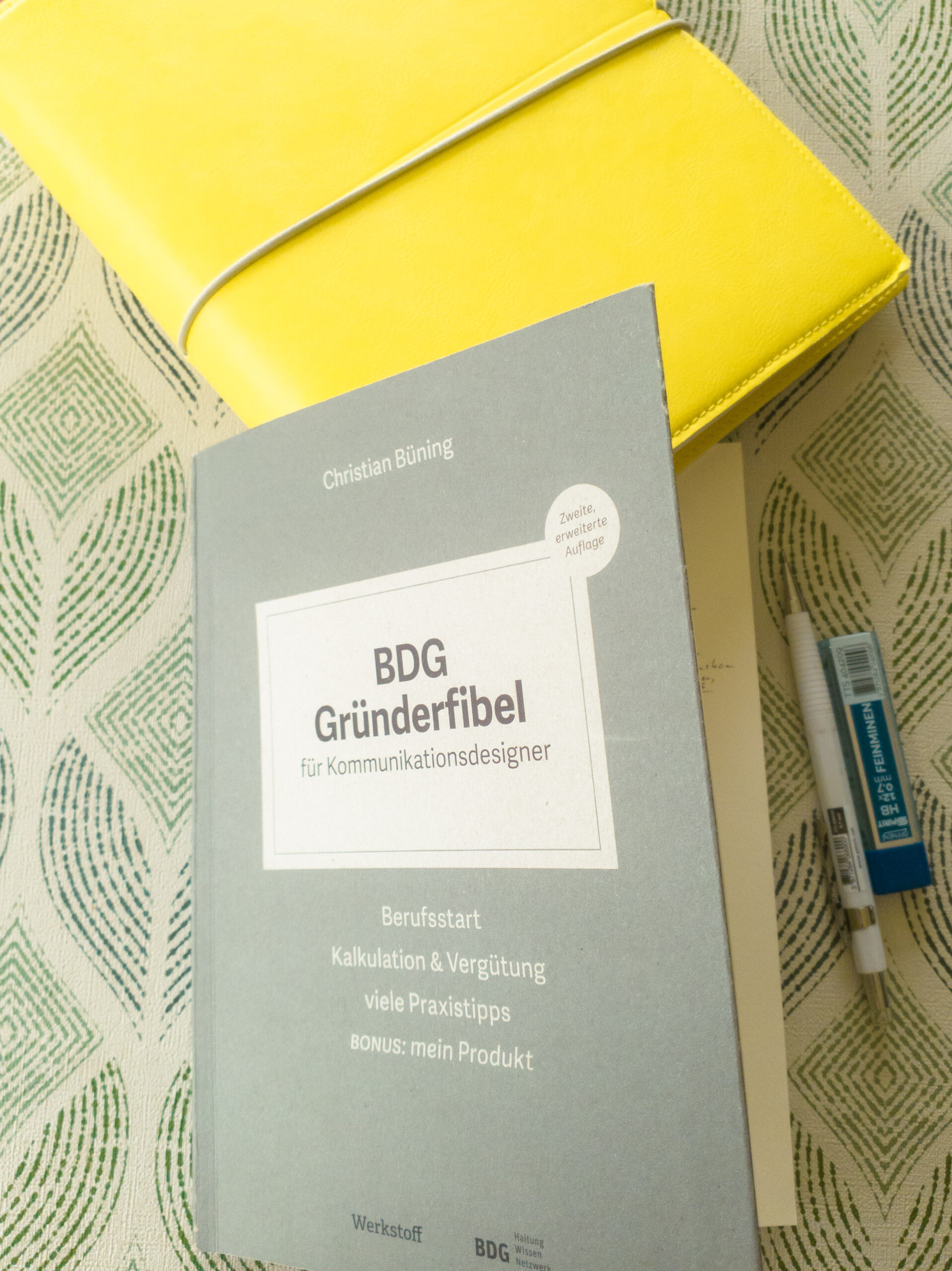
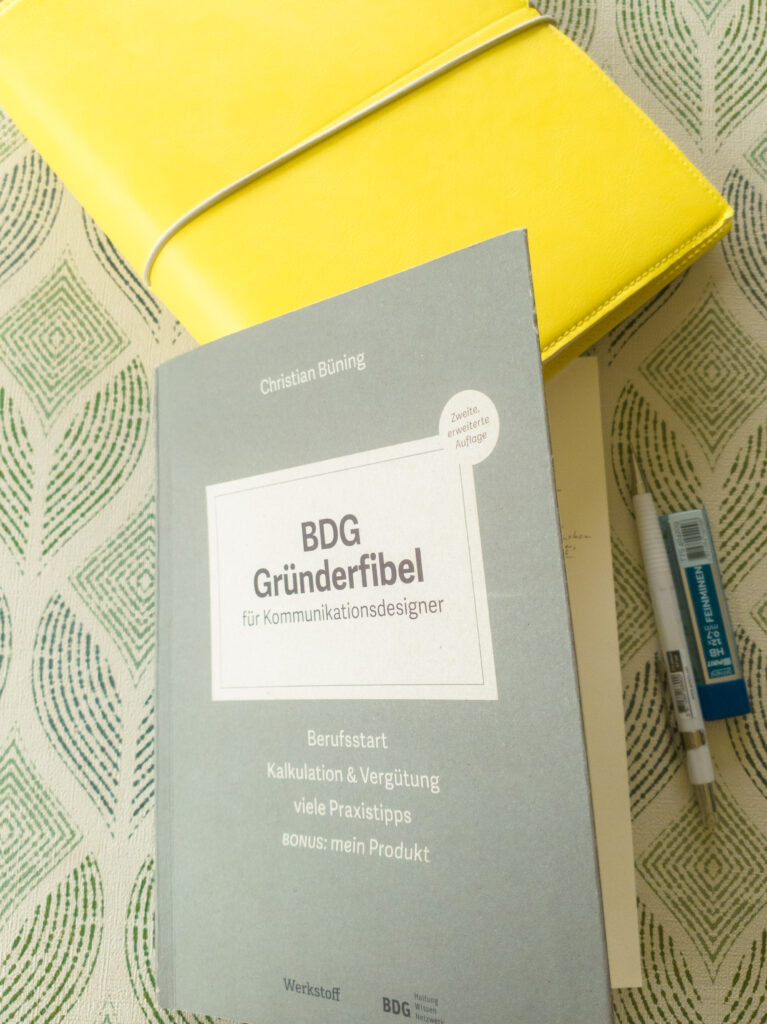 Vorgründungszeit beginnt. Danke an @bdg_de @fb_gestaltungundmedien_diploma @wochenorientierte_zeitplanung @tilostaudenrausch (der sich nicht taggen lässt, weil wir nicht einander folgen, was meine Schuld ist 😅) und @ariane.konzepterin für die beste Unterstützung und Transformation vom Amateur zum Profi.
#kommunikationsdesign #freiberufler #gestalter
Source: My Instagram account Mario Breskic
-
May 11, 2025 at 03:13PM
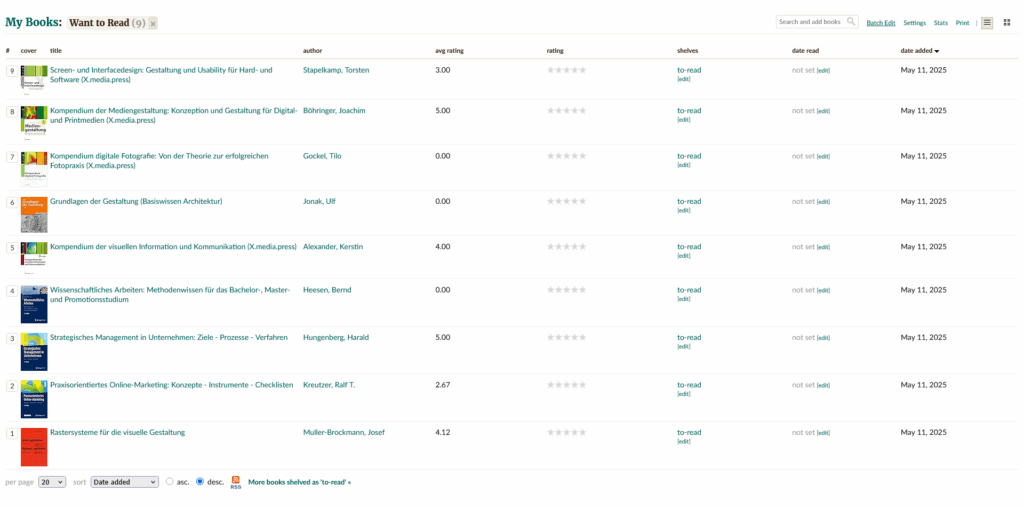
The staying power of services like Goodreads has impressed me. It is 2025 and despite certain other projects, it is still around.
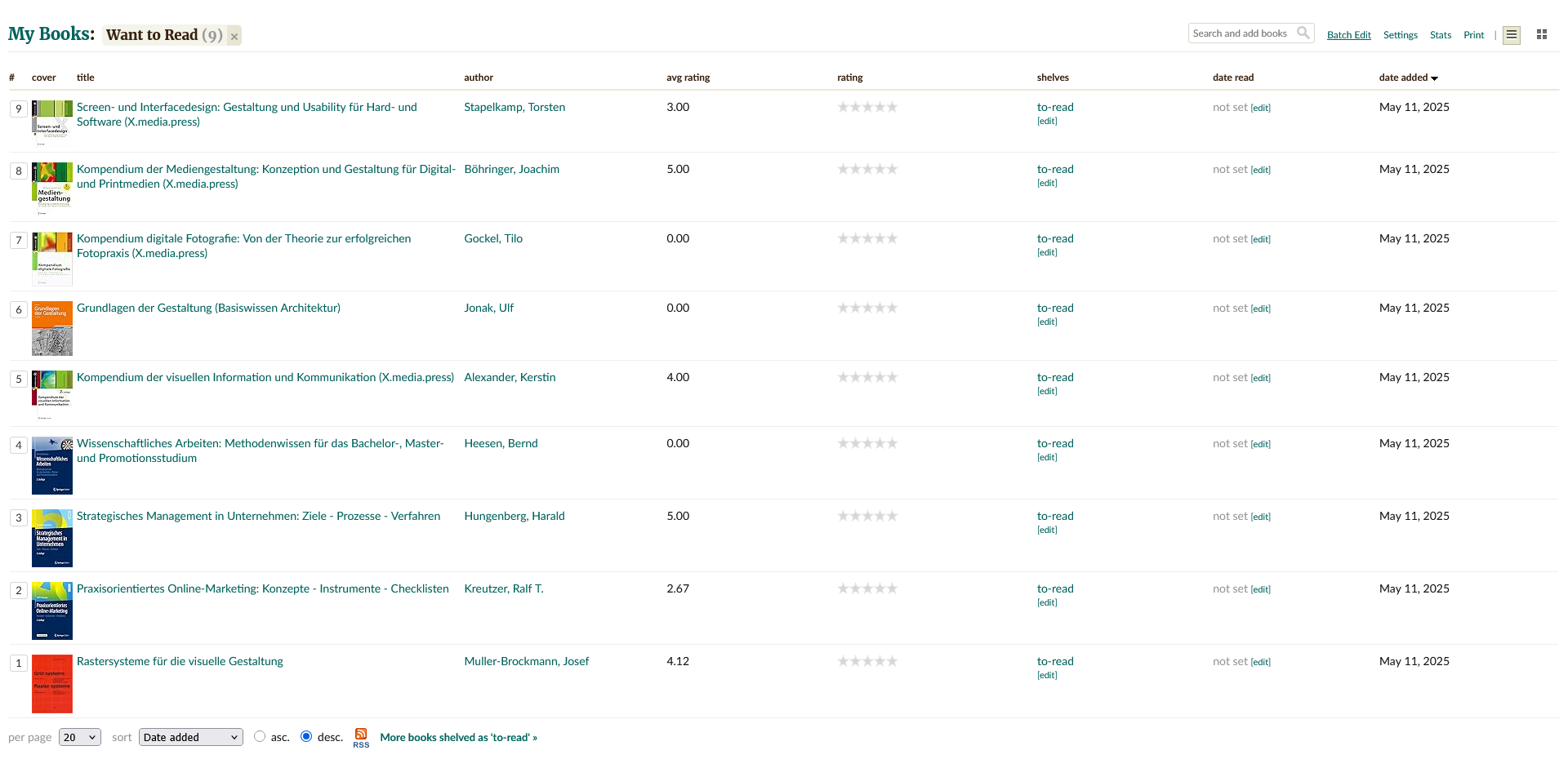
I decided to use it, signed up, got my own vanity url, added the next 9 books I want to read after finishing Bernays’ Propaganda (which is a very good book for graphic designers and communication designers, I think).
I have decided to see my work as a graphic designer as entrepreneurial: I need to nurture contacts, mutual respect, I need to invest in my own education, and I need to maintain myself as professionally as I can.
Source: My after‑hours blog on Tumblr Code & Canvas
-
May 9, 2025 at 08:49PM
Spent a few free minutes here and there to slowly work through my Instagram bookmarks. My goal is to save each one locally, tag each in Adobe Bridge for ease of use, and to add these to my visual library I’ve been building since, let me see–June 2024.
Eventually, I will work through all of my social media bookmarks and actually stop using these altogether. There is enough space on my laptop for my own, and I think when you tag things yourself, they end up making sense to you.
Kind of like how you set up your own workshop.
Source: My after‑hours blog on Tumblr Code & Canvas
-
May 9, 2025 at 02:52PM
Understood the value of separating a production from a development environment in regards to my own website.
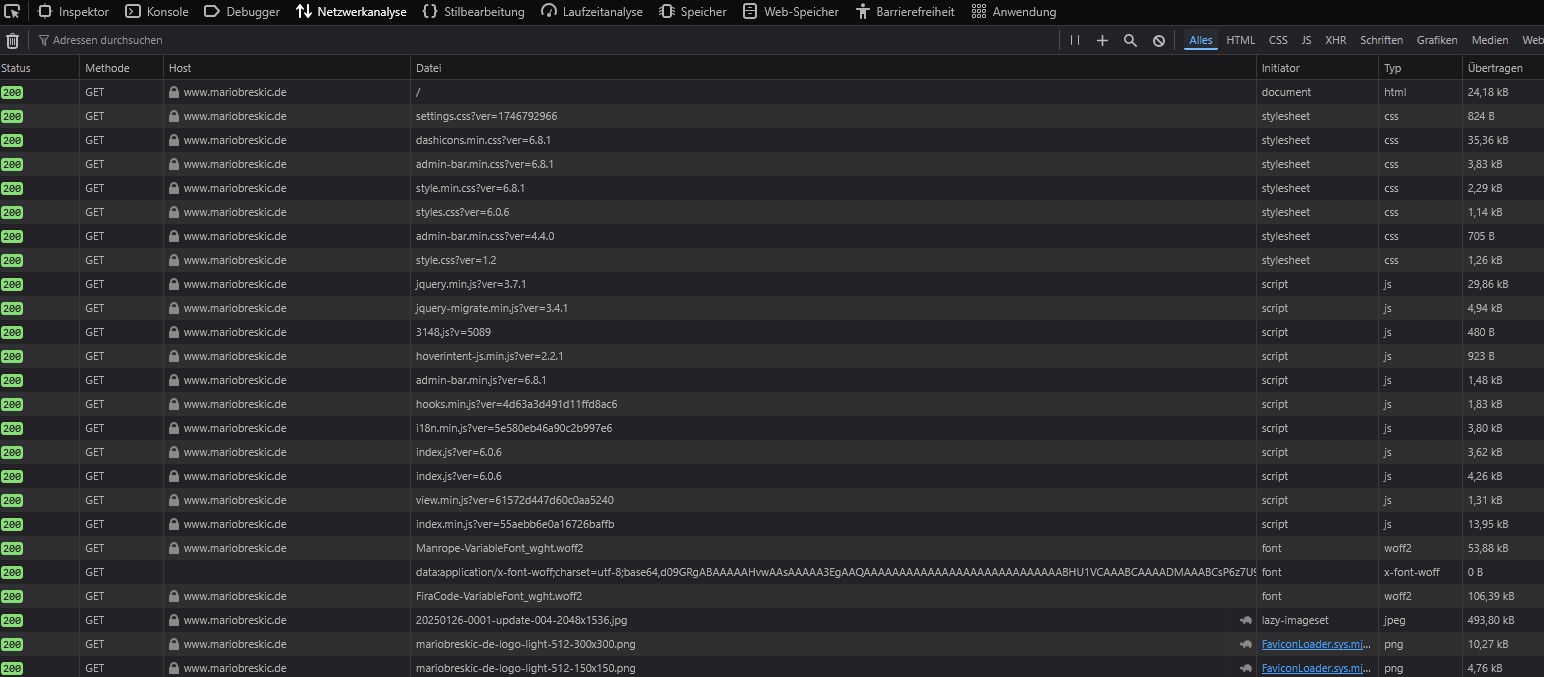
Following a tip from a very good friend, it is a good idea to have a website without tracking on it if you, like me, are still just running a personal website, rather than a commercial one.
So, I’ll do it like this: I will keep my personal website as is while I will keep working on my new website, using a different url to the one I am for my website.
So, when I am done with the new, I can just switch.
Fingers crossed, I don’t have all my books with me, so I’m playing this by intution alone.
Using Plesk and my backups, I could easily roll back my changes to a day prior to what I did today.
I am sort of digging how clean I made my website in regards to it doing any kind of tracking.
I might keep this for my fraidycat people, instead of throwing it away: when I do the switch, I think I want to have a failsafe version of my website around. Like putting it into failsafe.mariobreskic.de or even old.mariobreskic.de (safe.mariobreskic.de sounds semiotically best, I just realized), doing some easy mirroring of content between the future new website and the one without tracking.
Why do I want this? My good friend, I want out of my own behavioural loop of creation and oblivion: I want creation now, only, the oblivion comes later anyhow.
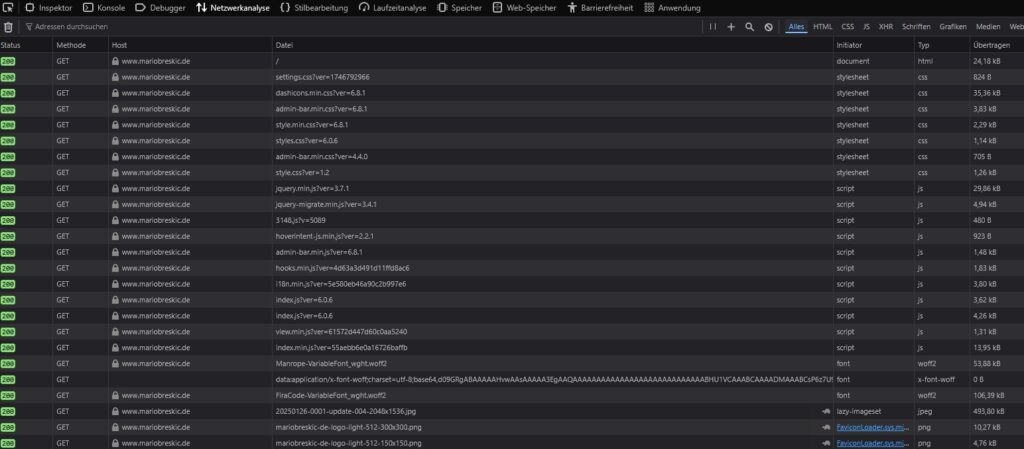
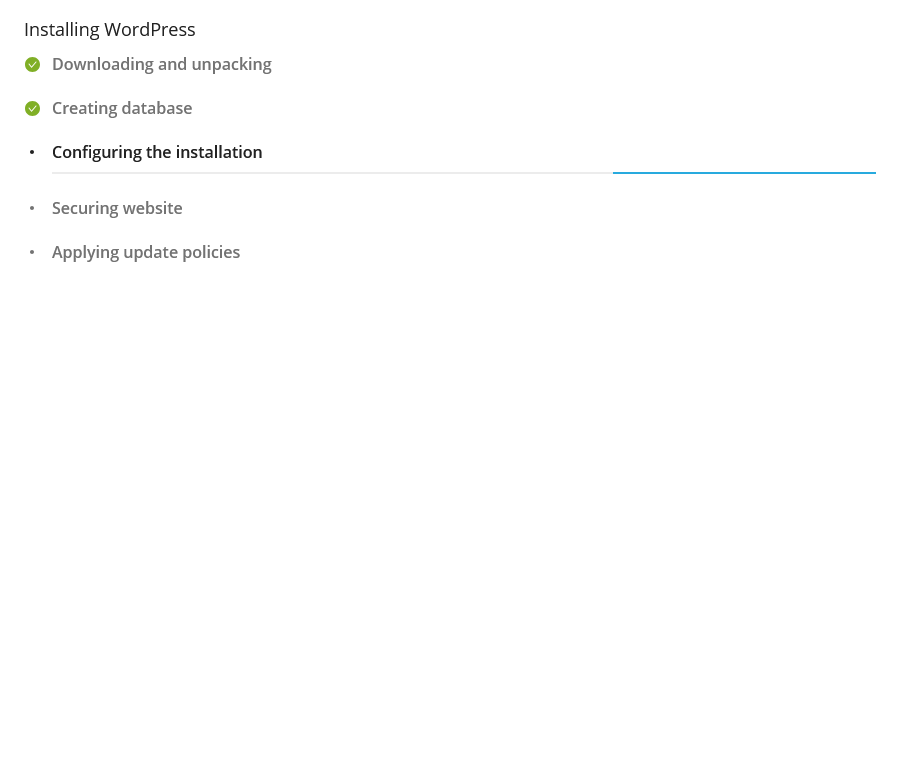
I have this thing, where I work on something, always.
Source: My after‑hours blog on Tumblr Code & Canvas
-
May 9, 2025 at 02:22PM
Understood the value of separating a production from a development environment in regards to my own website.
Following a tip from a very good friend, it is a good idea to have a website without tracking on it if you, like me, are still just running a personal website, rather than a commercial one.
So, I’ll do it like this: I will keep my personal website as is while I will keep working on my new website, using a different url to the one I am for my website.
So, when I am done with the new, I can just switch.
Fingers crossed, I don’t have all my books with me, so I’m playing this by intution alone.
Using Plesk and my backups, I could easily roll back my changes to a day prior to what I did today.
I am sort of digging how clean I made my website in regards to it doing any kind of tracking.
I might keep this for my fraidycat people, instead of throwing it away: when I do the switch, I think I want to have a failsafe version of my website around. Like putting it into failsafe.mariobreskic.de or even old.mariobreskic.de (safe.mariobreskic.de sounds semiotically best, I just realized), doing some easy mirroring of content between the future new website and the one without tracking.
Why do I want this? My good friend, I want out of my own behavioural loop of creation and oblivion: I want creation now, only, the oblivion comes later anyhow.
Source: My after‑hours blog on Tumblr Code & Canvas
-
May 9, 2025 at 02:10PM
Understood the value of separating a production from a development environment in regards to my own website.
Following a tip from a very good friend, it is a good idea to have a website without tracking on it if you, like me, are still just running a personal website, rather than a commercial one.
So, I’ll do it like this: I will keep my personal website as is while I will keep working on my new website, using a different url to the one I am for my website.
So, when I am done with the new, I can just switch.
Fingers crossed, I don’t have all my books with me, so I’m playing this by intution alone.
Source: My after‑hours blog on Tumblr Code & Canvas